

Turkey, Stuffing, and a 15-Minute Walk: A Holiday Tradition Worth Starting?
How a Walk After Your Holiday Meal Can Help Blood Sugar, Digestion, Energy, and Mood
Who’s packing the leftovers after the plates are empty? Regardless, everyone in the house will agree that the living room starts to look very inviting. After a holiday meal, settling into the couch feels like the obvious next step. There is certainly nothing wrong with resting. But before everyone disappears into their phones or settles in for football, try walking after a meal. A relaxed, 15-minute loop around the neighborhood is an easy way to start a new Thanksgiving tradition.
While it may sound like something off the usual, remember that Thanksgiving comes once a year and it’s a great opportunity to build a family tradition. Now, what could that 15-minute walk look like? An easy loop around the neighborhood, with anyone who wants to join you, that’s enough to begin. More importantly, you can leave step targets and calorie counts out of it. Here’s more!
How Walking After a Meal Helps Manage Blood Sugar
Your Thanksgiving meal will likely be rich in carbohydrates, thanks to the potatoes, rolls, stuffing, and dessert. As your body digests them, the carbs turn into glucose and enter your bloodstream, and insulin helps move that fuel into your cells. Since your muscles also use glucose when they move, an ordinary walk shortly after eating may help moderate the rise in blood sugar.
In one study involving older adults who were at risk for impaired glucose tolerance, three fifteen-minute walks after meals improved daily glucose control. In a later review of controlled studies, it was found that moving after a meal generally reduces post-meal glucose rises more than exercising beforehand or staying inactive. However, these studies differ in size and participants, so they do not promise the same result for everyone. Still, the practical lesson for you and your loved ones is encouraging, i.e., that a short and well-timed walk can be useful.
Simultaneously, you must understand that walking doesn’t replace medication or change the nutritional content of dinner. Another important thing while moving muscles can use some of the glucose circulating after you eat, a short fifteen-minute walk won’t make the second helping disappear. If you use insulin or certain other diabetes medicines, ask your care team how to avoid low blood sugar during activity.
For holidays, that matters more because the meals are often larger and schedules are less predictable. As a result, you will be able to enjoy dinner without turning it into a math problem, and consequently, give your body a little help handling what you ate.
How Gentle Movement Can Ease Post-Meal Fullness
Can you relate to the colossal task of getting up from the table after the meal? Sometimes it feels like just staying there until the next meal is a great idea, right? Well, that instinct is to sit completely still until the feeling passes. But for some people, gentle walking is more comfortable.
A small clinical trial examining walking after meals found improvements in symptoms such as fullness and bloating among participants who walked briefly after eating. Now, that doesn’t promise you a stroll will cure your indigestion. You should avoid a brisk march and keep the pace comfortable enough for conversation. Start near home, turn back when you’ve had enough, and stay at an easy pace throughout.
Importantly, if you experience persistent abdominal symptoms, speak with a healthcare professional rather than trying to walk them away.
Why a Short Walk Can Ease the Afternoon Slump
If your holiday meals have a way of stretching the afternoon, it’s nothing unusual. In fact, you may regard it as quality time with your loved ones. You sit down after a meal and suddenly feel as if the day’s energy has gone with the dishes. While a walk might not erase that sluggishness entirely, it can interrupt a long stretch of sitting and give you a chance to feel more awake.
You might notice the difference when you return to help with cleanup or settle into a conversation. Sometimes a change of scenery is enough to make the next part of the day feel less heavy. Still, don’t feel the pressure or need to push the pace to earn that benefit.
How Walking Can Help Relieve Holiday Stress
Welcome gatherings often bring noise and a list of competing needs. There is cooking to coordinate, there are relatives to catch up with, and often someone wondering what happened to the serving spoon. So, it’s no surprise that a brief walk will create some breathing room during all the hassle.
The Centers for Disease Control and Prevention (CDC) notes that physical activity can reduce short-term feelings of anxiety. It also indicates that outdoor time may offer a pleasant change from a crowded house. Even a few quieter minutes can make the gathering feel easier.
How to Make a Family Walk a Holiday Tradition
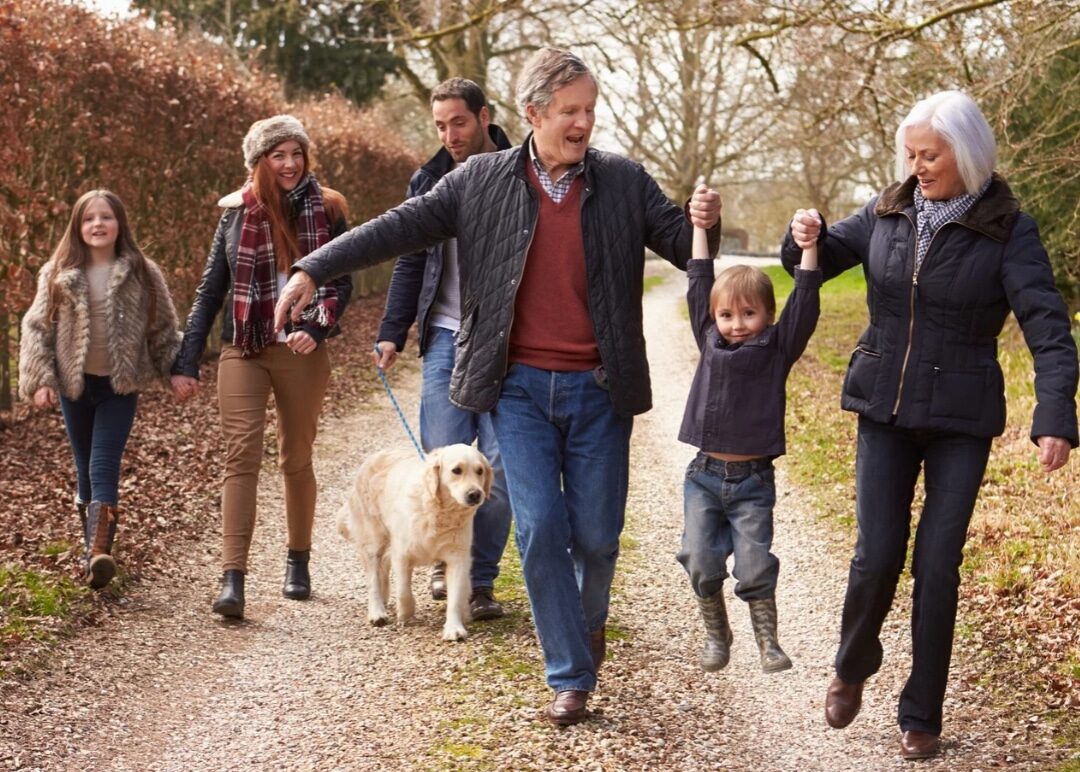
This is where fifteen minutes can turn into something people remember. Think how a family walk requires very little planning, and it may give different generations a shared activity outside the kitchen and living room. You can make it inviting rather than compulsory by choosing a flat, familiar route and let slower walkers set the pace. Older members can take slow and calm walks, with children exploring all things interesting to them through it.
Just make sure to check the footing during cold weather. If outside isn’t suitable, a few gentle laps indoors count as movement, too. The best part is that no one has to do this perfectly. One holiday walk might last ten minutes, another twenty. Some guests will stay inside, and someone will inevitably remember the pie as you head out. When you return, there is still time for dessert, stories, and that comfortable couch. You have simply made a little room for movement in a day already full of good things.
Keep moving beyond the holidays. Find a Genesis Health Clubs location near you.