

Physical Therapy: Get Back to Activities You Love
How Physical Therapy Can Help You Get Back to the Activities You Love
An injury brings a particular kind of frustration. You get through work and move around the house without trouble. Yet the activity you really want to do can feel far away.
Maybe it is running before work. Maybe it is lifting with friends or getting back on the pickleball court. Playing tennis or swimming a few laps can suddenly become something you keep thinking about.
For active people, physical therapy can support a return to movement that matters. This is where physical therapists offer support and expertise. They evaluate movement and function, then develop individualized treatment plans around your condition, needs and goals.
Recovery Is About More Than Feeling Better
Pain is often the first thing noticed after an injury, so reducing it becomes an immediate goal. But your knee can feel better during a walk while running remains uncomfortable. Similarly, your shoulder may be less painful even though serving a tennis ball or returning to overhead lifting still does not feel ready.
You have improved, but you have not reached the goal. Getting back to an activity can take more than feeling better. Depending on your injury, you may rebuild strength or regain movement. Sometimes control needs work before the body is ready for activity again. Well, with a plan, you can be clear about the objective.
Start With What You Want to Do
One useful thing to tell a physical therapist is what you want to get back to doing. ‘Make my knee better’ is understandable, but ‘I want to play a full tennis match again’ gives more context.
A runner returning to training may need one kind of support. A lifter trying to squat comfortably may need another. For a parent, the goal may be an active weekend without worrying about an old injury. Put simply, your goal gives therapy a clearer focus on what matters most to you now.
Build Back What You Lost
Whatever activity gets affected, it changes after an injury. While you may notice it gradually over time before it becomes normal, it’s not guaranteed to be noticeable immediately afterward.
For instance, you may be moving less and thinking perhaps you had a stomach full at your previous meal. You start dropping one, or maybe two, exercises and consider it a way to overcome muscle growth plateau or introduce variations. Sometimes, you protect the injured area without realizing it. Over time, strength or confidence can change. But rehabilitation provides a structured way to rebuild.
The process may begin with simple movements and progress as your body tolerates more. Later, the work becomes more specific to what you want to resume. A runner may add impact. Someone returning to court sports might bring back changes of direction. For a strength-training member, the later stages may involve rebuilding familiar patterns under load.
There is no universal week-four or week-six workout. Progression depends on you, your injury and your goal, which is why individualized care matters.
Returning to Activity Does Not Have to Mean All or Nothing
Active people sometimes get stuck on an all-or-nothing idea: if the normal workout is off the table, it can feel as though nothing useful can be done. Rehabilitation often leaves room for appropriate movement while the problem is addressed.
Physical therapy can help you work out what feels safe now. Some movements need to change; others need more time. The aim is not to prove how much discomfort you can tolerate. It is to give your body a challenge while keeping you active as the situation allows.
What If You Are Afraid of Reinjury?
Another part of recovery does not always show up on an exercise plan: trust. Your ankle may be ready for more loading, yet you hesitate before putting full weight on it. You may have the strength to lift again but feel nervous about the movement linked with the original injury.
A gradual return can rebuild confidence alongside physical capacity. Rather than moving from little activity straight back to full demand, you can progress through manageable challenges and learn how your body responds. A physical therapist can adjust the progression as recovery develops.
Physical Therapy Can Fit Into an Active Lifestyle
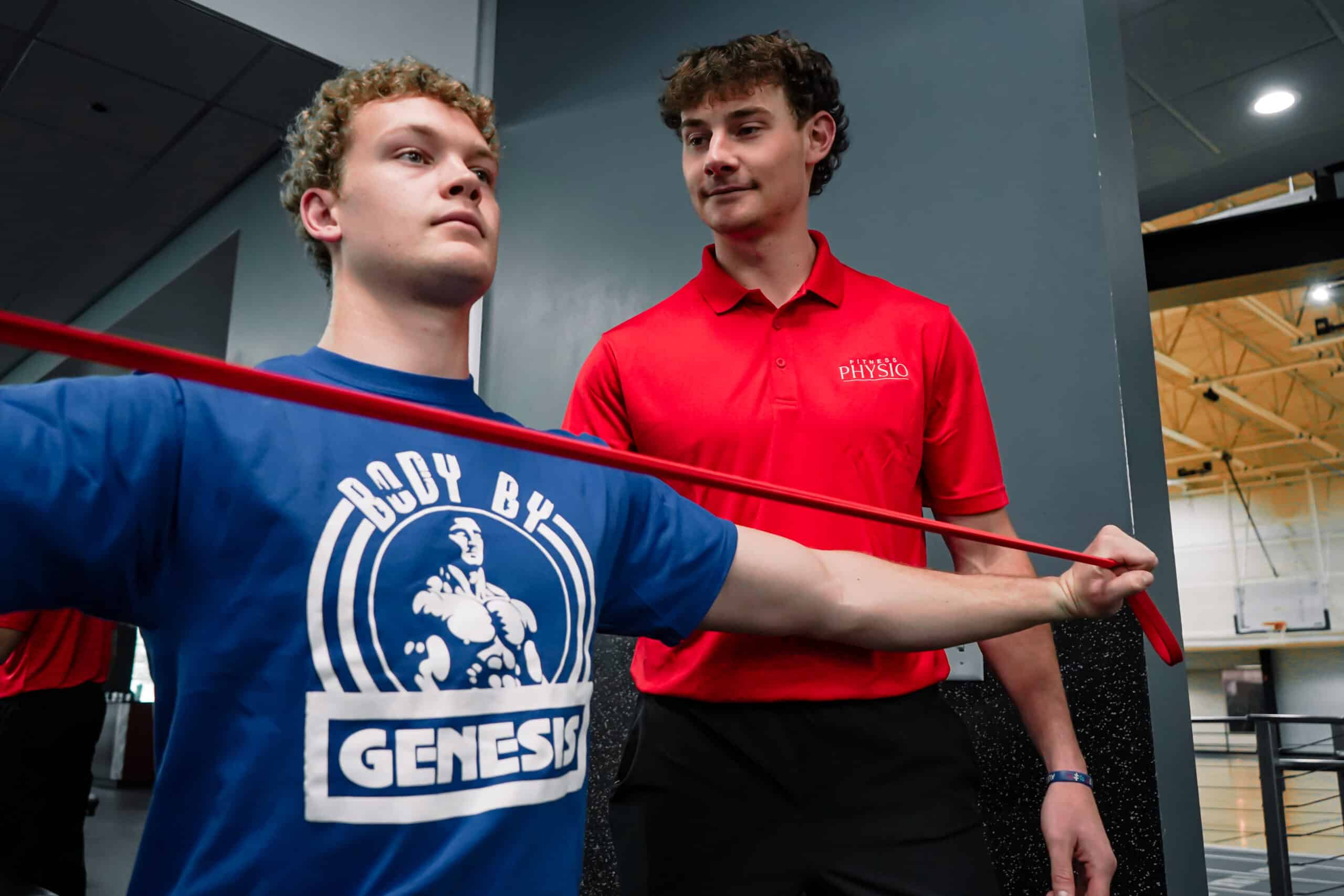
Fitness Physio, located in select Genesis Health Clubs, is built around active lifestyles and performance goals. Its on-site licensed physical therapists work with people recovering from injury, training toward goals, managing chronic aches and pains or improving movement quality. Services include injury rehabilitation, recovery and preventative care, movement optimization, assisted stretching and other treatment techniques.
That relationship matters for people who do not see recovery as stepping away from exercise. The goal may be to stay active and keep doing what you enjoy, with the right support when something gets in the way.
When Is It Time to Get Help?
If pain or an injury has kept you from an activity you enjoy, you do not need to wait until it becomes severe. An evaluation may be useful when symptoms return, movement remains limited, you change how you exercise to avoid discomfort or you are unsure how to progress safely.
You do not need to diagnose yourself first. A professional can help determine whether physical therapy is appropriate. APTA reports that all 50 states, the District of Columbia and the U.S. Virgin Islands have either provisional or unrestricted direct access to physical therapist services. Treatment and insurance requirements still vary, so check referral and coverage details for your location and plan.
Getting Back to What You Love
Recovery can be the milestone you set, like the first normal walk again. If you’re a tennis player, you finish a match without thinking about the shoulder. For a parent, it may be an afternoon with the kids where the old injury stops demanding attention.
Those moments look different, but the practical goal is the same: getting back to life. Physical therapy can make that return more structured. Instead of guessing when to push harder, you have a professional considering your progress and the demands of your goal.
If you are ready to return to an activity you have been missing, Fitness Physio can be one place to start. Explore the service at your local club and ask about an assessment to understand what comes next.