

Breast Cancer Awareness
Movement Matters: What Research Says About Exercise and Breast Cancer
Research Note: This newsletter draws on current guidance and evidence summaries from the National Cancer Institute, CDC, and American Cancer Society. Links are embedded in the article text.
When breast cancer awareness comes up, the conversation usually goes straight to screening, symptoms, family history, and always ends with treatment. While all of those things are of paramount importance, there is still one more part of the picture that is very easy to overlook.
It is simply movement. Since physical activity seems like an optional activity on the checklist for a healthy lifestyle, most people either maintain it inconsistently or negligibly, to the point that it doesn’t allow them to feel the full benefits of it. Interestingly, one of the benefits of regular exercise and physical activity is reduced risk of cancer, i.e., breast cancer.
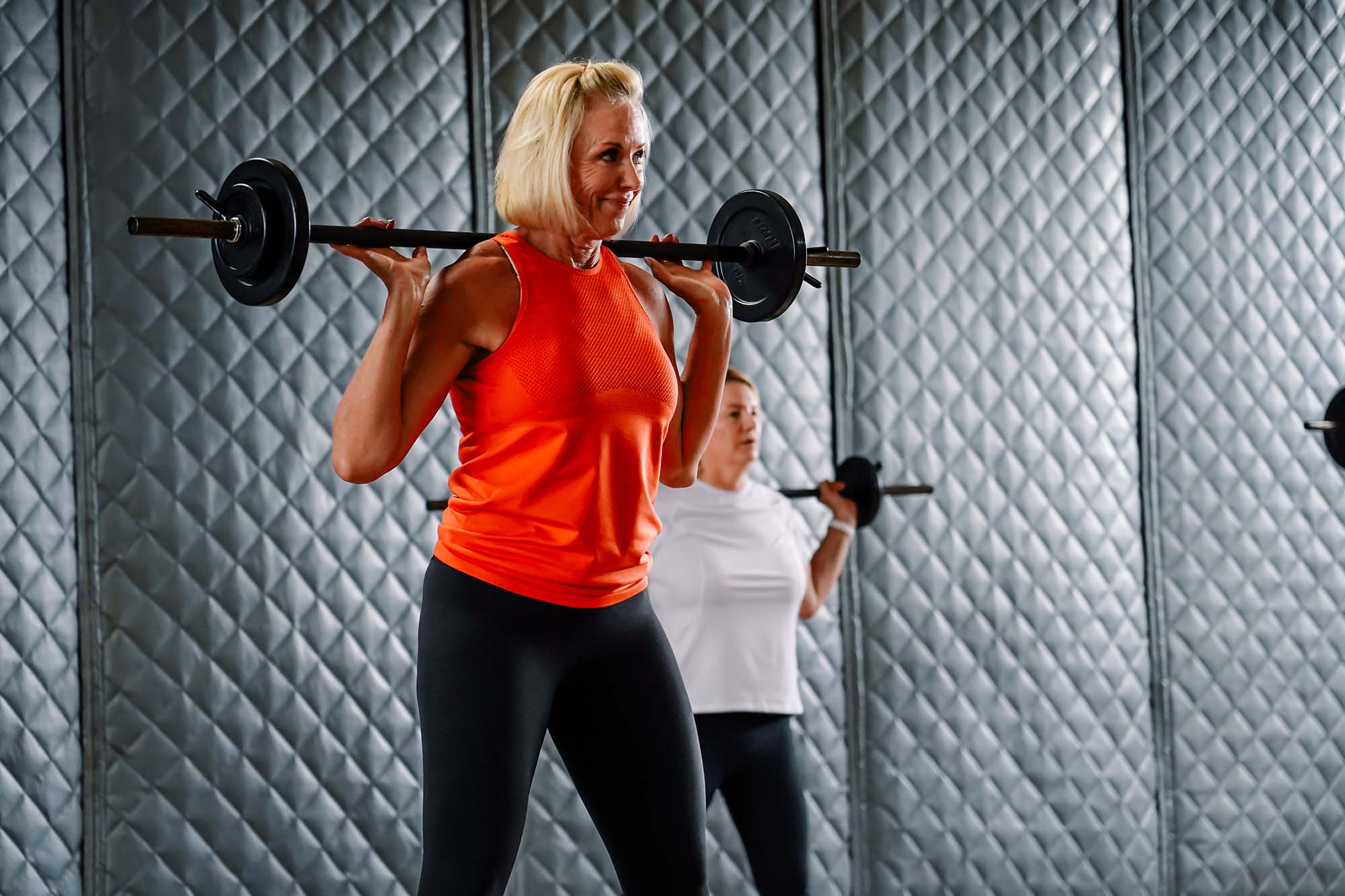
While exercise is not a shield against breast cancer, and it never replaces screening or medical care, research shows that regular physical activity may have a meaningful place before, during, and after a diagnosis.
It may help with reducing the risk. At the same time, it may help with getting through treatment with more strength or feeling more at home in your body afterward. And this does not require a perfect workout routine. For many people, movement starts much smaller than that.
What Research Says About Risk
The National Cancer Institute and the CDC both identify physical activity as one factor associated with a lower risk of breast cancer. The relationship is not simple. People who exercise regularly can still develop breast cancer, while some less active people never will. Hence, why factors such as age and genetics matter too.
Still, large studies show a fairly consistent pattern: more physically active people tend to have a lower breast cancer risk than those who are less active. Researchers continue to study why, as some believe that hormones may be part of the explanation. Others also factor in inflammation, insulin regulation, and body composition.
Movement During Treatment
Treatment can change how a person experiences their body within weeks. A walk that once felt easy may suddenly take planning. After surgery, the arm or shoulder starts feeling unfamiliar. Or fatigue from chemotherapy or radiation can make ordinary tasks feel heavier than before.
That is why the old idea that people should simply rest through cancer treatment has changed. For many patients, appropriate activity is now viewed as safe and useful when it fits their condition and medical guidance.
The American Cancer Society notes that physical activity during and after treatment can help:
- Fatigue
- Physical function
- Quality of life
Some people may also notice better sleep or strength. Others may experience other real life changes, such as in their other daily activities like chores and walks. For instance, it might translate into a short walk for someone, while for someone else, gentle mobility may be enough. Thus, the goal is not to prove anything or push through exhaustion but rather to keep some connection with movement when the body allows it.
What About Lymphedema?
Lymphedema is a common concern after lymph node surgery or radiation. For years, many people were warned away from lifting or certain arm exercises because of that risk.
However, current evidence is more reassuring. The National Cancer Institute reports strong evidence that appropriately designed exercise is safe for people with breast-cancer-related lymphedema or those at risk for it. Despite that, strength work is generally introduced gradually, with symptoms guiding the pace.
Life After Treatment
Finishing treatment can be a strange milestone. There may be relief, but the body does not always snap back to normal. As the person regains their strength, the fatigue they experienced pre, during, or post-treatment (sometimes all of it together) may linger for a while. Therefore, certain exercises and movements may still bring hesitation.
On the positive side, physical activity can become part of rebuilding that trust. Studies involving breast cancer survivors have linked greater activity with better physical function, less fatigue, and improved quality of life. Furthermore, observational research has also linked higher activity after diagnosis with lower risks of recurrence and death, though researchers are still studying how much activity helps most and for whom.
Those findings are encouraging, but they deserve careful language. While exercise can support health, it cannot control every outcome, and so recovery should never feel like a test of exercising perfectly.
Start With What Is Realistic
If someone has been inactive for a while, the first step does not have to look impressive. Ten minutes of walking counts. And even moving around the house more often counts too. Someone else may begin with an easy bike ride or a few simple strength movements.
During treatment, after surgery, or with ongoing side effects, bigger changes should be discussed with the cancer care team. A physical therapist or exercise professional who understands cancer care can also help when pain, weakness, or reduced range of motion make movement less straightforward.
From outside, progress can look almost boring. In real terms, it can mean something like walking or cycling a little farther than last week or lifting a weight that feels less intimidating. Even an afternoon with more energy left, all of those count as real gains too.
Awareness Is Bigger Than One Habit
Breast cancer awareness should never be reduced to one habit. Screening matters. So does knowing personal risk, noticing breast changes, and getting appropriate medical care.
Consequently, physical movement simply deserves a place beside those conversations.
Research gives us good reasons to see physical activity as part of breast health, treatment support, and survivorship. It may help lower risk, and for many people it can make treatment or recovery more manageable.
Perhaps the most useful thing about movement is that it can meet a person exactly where they are. Some days that may be a planned workout. On other days, it may be five quiet minutes of walking before dinner. The form matters less than whether it feels safe, realistic, and possible to return to.