

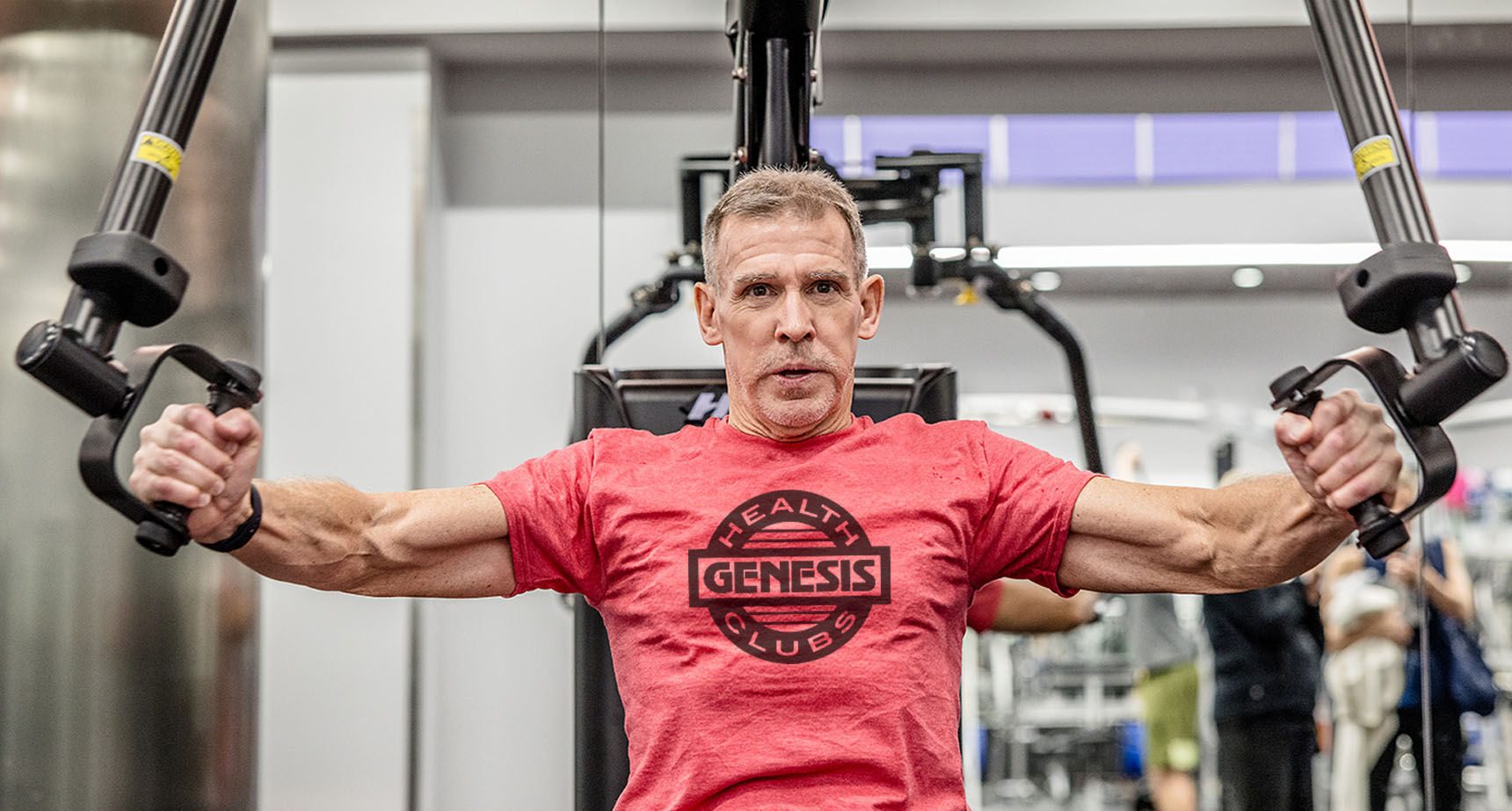
On a GLP-1? Why Strength Training Matters During Weight Loss
Key Highlights:
- 5% to 40% of weight lost on a GLP-1 (Ozempic, Wegovy, Mounjaro, Zepbound) can come from lean muscle, not fat.
- Muscle loss isn’t unique to GLP-1s, but the speed and scale of the weight loss raises the stakes.
- Resistance training at least twice a week, paired with 1.2 to 1.6 g of protein per kg of body weight daily, protects lean mass.
- Skipping strength training can slow your metabolism, increase fat regain risk, and reduce strength over time.
- A simple, consistent plan (compound lifts, progressive overload, enough protein and recovery) is enough to protect the muscle you’re working to keep.
The Part of GLP-1 Weight Loss Nobody Warns You About
If you’re taking a GLP-1 medication like semaglutide (Ozempic, Wegovy) or tirzepatide (Mounjaro, Zepbound), you know the headline benefit: appetite control that makes weight loss feel possible. What gets less attention is what kind of weight you’re actually losing.
Research shows that 15% to 40% of total weight lost on a GLP-1 is lean mass, not fat. That muscle is responsible for your strength, your metabolism, and your ability to stay independent as you age. Losing it isn’t something to shrug off. It’s a variable you can manage, and strength training is the most effective way to manage it.
This isn’t a reason to fear GLP-1 medications. It’s a reason to pair them with the right strategy.
Why GLP-1s Cause Muscle Loss
GLP-1 medications reduce appetite and slow digestion, creating a significant calorie deficit. That deficit drives weight loss, but your body doesn’t automatically pull only from fat stores.
When you eat less, your body looks for energy wherever it can find it, and muscle is metabolically expensive to maintain. Without a strong enough signal telling your body to keep it, some muscle gets broken down alongside fat. This happens with any rapid weight loss, but the speed and scale typical of GLP-1 therapy raises the stakes.
Research points to two levers that change this: resistance training at least twice a week, and protein intake of 1.2 to 1.6 grams per kilogram of body weight per day. Together, they meaningfully protect lean mass during treatment.
What Happens If You Skip Strength Training
Your metabolism slows more than it needs to. Muscle burns calories at rest. Lose enough of it, and your resting metabolic rate drops, making maintenance harder later.
Regain is more likely to be fat regain. If you stop a GLP-1 or your dose changes, weight regained tends to come back disproportionately as fat when a lot of muscle was lost along the way.
Strength and function decline. This matters most for older adults, who are already prone to sarcopenia, the age related loss of muscle. Skipping resistance training can accelerate frailty instead of preventing it.
You lose the shape, not just the weight. Many people end up at a lower number on the scale but don’t look or feel the way they expected. That’s usually a muscle problem, not a fat loss problem.
A Strength Training Plan That Works Alongside a GLP-1
You don’t need to become a powerlifter. You need a consistent plan that gets gradually harder over time.
Train two to three times a week, full body. Hitting every major muscle group (legs, back, chest, shoulders, arms, core) is enough for most people to preserve and build strength during a deficit.
Prioritize compound movements. Squats, deadlifts, rows, presses, and lunges recruit more muscle per session than isolated exercises like curls.
Use progressive overload. Gradually increase weight, reps, or sets over time. A program that never changes stops giving your body a reason to keep muscle.
Don’t neglect protein. Aim for 1.2 to 1.6 grams per kilogram daily, spread across meals. GLP-1s often suppress appetite enough that people undereat protein without realizing it.
Plan around appetite suppression. Smaller, protein forward meals and loosely tracking intake for the first few weeks can help.
Prioritize recovery. Muscle is preserved during recovery, not just during the workout. Sleep, hydration, and rest days all matter.
Signs You Might Be Losing Too Much Muscle
- Strength is declining rather than holding steady
- Persistent fatigue beyond a typical calorie deficit
- Clothes fit looser everywhere, including areas that should stay firm
- Recovery between workouts is taking noticeably longer
- If you notice these, reassess your protein intake and training volume, or talk to your prescribing provider.
The Bottom Line
GLP-1 medications are a genuinely powerful tool, and the muscle loss that comes with them isn’t a reason to avoid treatment. It’s a reason to be intentional. Resistance training, done regularly and paired with enough protein, is what separates weight loss that leaves you stronger from weight loss that leaves you smaller but weaker.
If you’re on a GLP-1 and want a strength training approach built for this stage of your journey, that’s exactly what we help people put together. The medication can do its part. Make sure your training plan does its part too.